When to Install New Gutters vs. Replace Existing Ones on Your Home
When deciding whether to install new gutters or replace existing ones on your home, local contractors can assess your needs and provide expert installation services to ensure proper function.
Understanding when to install new gutters versus replacing existing ones is an important consideration for property owners looking to protect their homes effectively. If your current gutters are showing signs of significant damage, such as sagging, leaks, or extensive rust, it may be time to explore replacement options. Local contractors who specialize in gutter installation can assess the condition of your existing system and recommend whether a new installation will provide better long-term performance. Exploring this topic helps homeowners make informed decisions that can prevent water damage, improve curb appeal, and ensure their home’s drainage system functions properly.
Property owners in the area often face unique weather patterns and home styles that influence gutter needs. Whether dealing with frequent storms, heavy rainfall, or aging infrastructure, understanding the difference between installing new gutters and replacing old ones can save time and money. Local service providers are equipped to evaluate your home’s specific situation and offer practical solutions tailored to your needs. Continuing to read can help clarify your options and connect you with experienced professionals who can handle the installation process smoothly and efficiently.
- When to install new gutters - homeowners may need new gutters when existing ones are outdated, damaged beyond repair, or show signs of severe corrosion, with local contractors recommending replacement for long-term durability.
- Replacing existing gutters - is often advised when gutters are still functional but have become saggy, clogged, or leaky, and local service providers can efficiently upgrade or repair them to restore proper function.
- When to install new gutters - is suitable if current gutters are improperly installed or do not match the home's design, with local pros ensuring proper fit and optimal drainage during installation.
- Replacing existing gutters - is necessary if repairs are frequent and cost-prohibitive, and local contractors can evaluate whether a full replacement offers a better solution than ongoing repairs.
- When to install new gutters - is recommended if the home undergoes renovations or additions that require updated gutter systems, with local experts providing seamless integration with the new design.
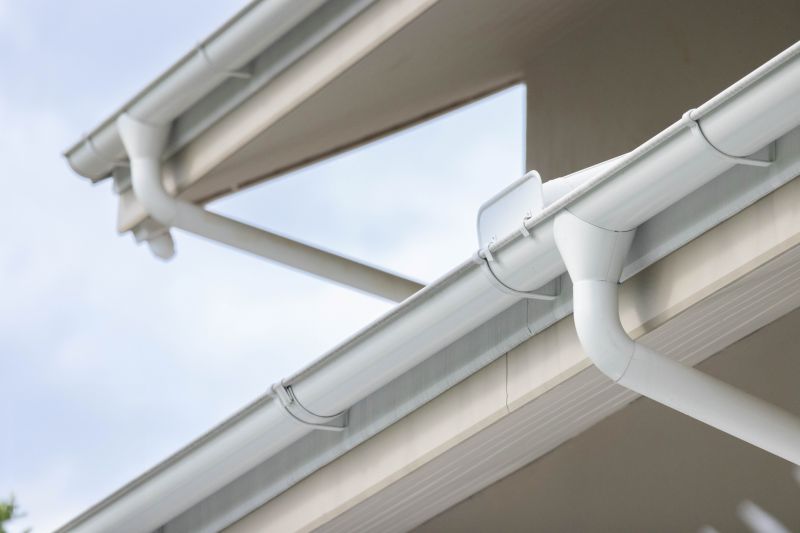
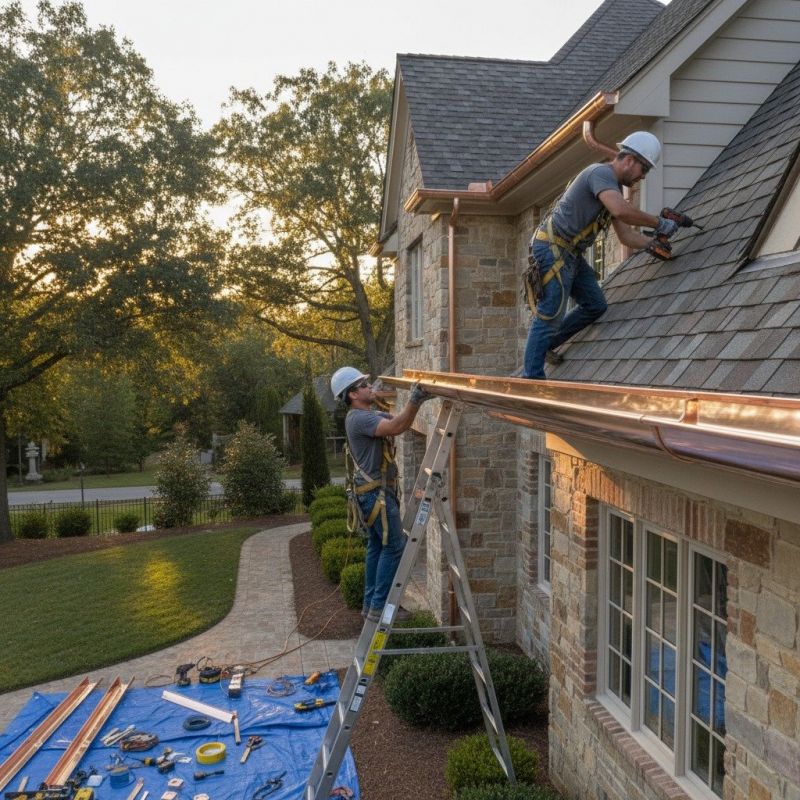
Understanding when to install new gutters versus replacing existing ones is a common consideration for homeowners planning to improve their property's drainage system. Typically, this topic comes up when residents notice issues with their current gutters, such as frequent leaks, sagging, or overflow during heavy rain. It can also relate to broader home improvement plans like preparing for a new roof installation or upgrading the exterior to boost curb appeal. Homeowners often search for guidance to determine whether repairing or replacing their gutters makes more sense for their specific situation, especially when they want to ensure their home remains protected from water damage and structural issues.
The decision between installing new gutters and replacing existing ones usually hinges on the condition and age of the current system, along with the homeowner’s long-term goals. Problems like persistent leaks, rust, or significant sagging typically indicate that the existing gutters have reached the end of their useful life. Conversely, if the current gutters are relatively new but not functioning properly due to improper installation or minor damage, a repair or upgrade might suffice. This topic is closely tied to property plans that involve improving drainage efficiency, preventing water damage to foundations, or enhancing the home's exterior appearance. Local service providers who specialize in gutter installation can assess the condition of existing systems and recommend the most appropriate solution based on these factors.
The types of properties that often come up in discussions about when to install new gutters versus replacing existing ones include residential homes, especially those with multiple stories, and historic or older houses with original gutter systems. Larger properties or homes with complex rooflines may require custom gutter solutions, making the decision more nuanced. Additionally, homes situated in areas with heavy rainfall or seasonal storms tend to need more durable, high-capacity gutters. Regardless of property type, understanding the specific needs of the home-such as the severity of existing gutter issues and future plans-helps determine whether a full replacement or a new installation is the best course of action. Local contractors experienced in gutter services can evaluate these factors and provide tailored recommendations.
Choosing the right approach depends on a clear assessment of the current gutter system’s condition and the homeowner’s goals for their property. When existing gutters are severely damaged, rusted, or improperly installed, replacing them with new, properly installed gutters is often the most effective solution. On the other hand, if the current system is still structurally sound but outdated or slightly damaged, installing new gutters that upgrade the current setup can improve functionality without a full replacement. Homeowners should consider how each option aligns with their long-term maintenance plans and property improvements. Connecting with experienced local pros ensures that the chosen solution addresses the specific needs of the home, providing reliable drainage and protecting the property from water-related issues.
Gutter repair services involve fixing damaged or leaking gutters, which is essential before deciding whether to install new gutters or replace existing ones on your home.
Roofing installation projects require similar planning and tools, as both involve working on the roof and understanding how gutters integrate with roofing systems.
Downspout installation and replacement services are closely related, since proper downspout setup is crucial whether installing new gutters or replacing old ones.
Siding replacement projects often involve working around the home’s exterior, making coordination with gutter services important for a seamless finish.
Exterior home renovation services include tasks like fascia and soffit repairs, which are related to gutter installation and replacement decisions.
Cladding and fascia installation work shares similar skills and tools, especially when replacing or installing gutters that connect to these exterior elements.
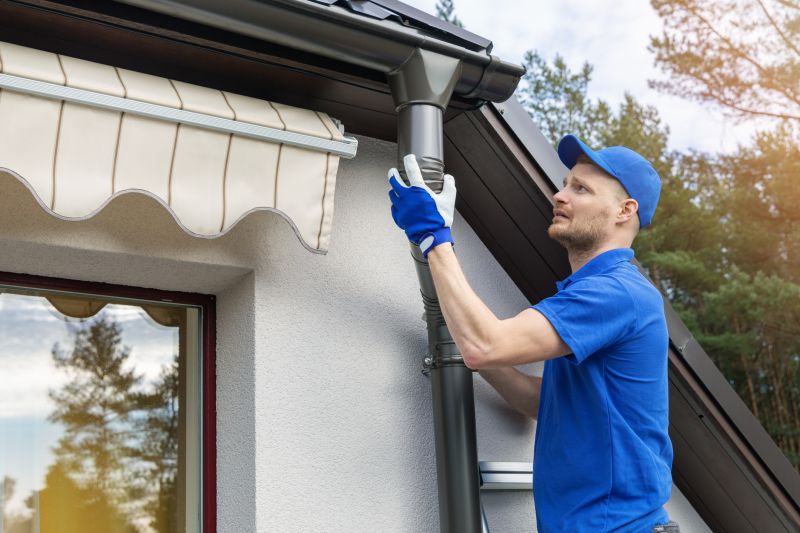
When comparing local contractors for gutter installation or replacement, it is important to consider their experience with similar projects. Homeowners should inquire about how many gutter-related jobs they have completed and whether they have handled situations comparable to their own, such as replacing old gutters or installing new systems on homes with unique architectural features. A contractor’s familiarity with different gutter materials and installation techniques can influence the quality and longevity of the work. By reviewing their portfolio or asking for examples of past projects, homeowners can gain insight into their expertise and determine if they have the practical knowledge necessary for the specific needs of their home.
Clear, written expectations are vital when evaluating potential service providers. Homeowners should seek detailed proposals that outline the scope of work, the materials to be used, and the installation process. Transparent communication about what the project entails helps prevent misunderstandings and ensures everyone is aligned on the desired outcome. Reputable contractors will be able to provide thorough descriptions of their services, making it easier for homeowners to compare options and select a provider who clearly understands their needs. Establishing these expectations early on can also facilitate smoother project execution and help identify any potential gaps in the contractor’s understanding or approach.
Good communication and reputable references are essential factors when choosing among local service providers. Homeowners are encouraged to ask for references from previous clients to verify the quality of work and professionalism. Engaging with past customers can reveal insights into the contractor’s reliability, timeliness, and ability to address concerns. Additionally, assessing how promptly and clearly a contractor communicates during the inquiry process can indicate their level of professionalism and willingness to collaborate. A contractor who maintains open, honest communication and has a track record of satisfied clients can provide confidence that the project will be managed effectively, whether it involves installing new gutters or replacing existing ones.
Property owners often search for when to install new gutters vs. replace existing ones on your home when they are planning practical projects around their homes and businesses. Local pros provide New Gutters Installation services for everyday jobs and straightforward project options.
Understanding when to install new gutters versus replacing existing ones is a common concern for property owners looking to protect their homes effectively. If the current gutters are showing signs of significant damage, such as sagging, cracking, or persistent leaks that cannot be repaired, it may be time to consider a full replacement. Local contractors can assess the condition of existing gutters and determine whether a new installation would provide better durability and performance, especially if the current system is outdated or incompatible with the home’s architecture. For homeowners experiencing frequent clogging or erosion around the foundation, installing new gutters with updated features might offer a more reliable solution than attempting repairs or patchwork.
Property owners often look into new gutters installation services when their existing gutters have reached the end of their lifespan or are no longer functioning properly. If the gutters are visibly worn, rusted, or have become detached from the home, replacing them can prevent ongoing issues and provide peace of mind. Local service providers can help evaluate whether the existing gutters can be repaired or if a comprehensive replacement is more practical. Installing new gutters can also be an opportunity to upgrade to more efficient or aesthetically pleasing options, especially if the current system no longer meets the property’s needs. Connecting with local contractors ensures that the right choice is made based on the home’s specific condition and the homeowner’s goals.
When should I consider installing new gutters instead of replacing existing ones? If your current gutters are outdated, damaged beyond repair, or have significant leaks and corrosion, it may be better to install new gutters. Local contractors can assess the condition of your existing gutters to determine if replacement is necessary.
How can I tell if my gutters need to be replaced rather than repaired or upgraded? Signs include sagging, frequent leaks, rust, or extensive damage. Service providers can evaluate whether repairs are sufficient or if a complete replacement will ensure proper function and durability.
Are there benefits to installing new gutters instead of repairing old ones? Installing new gutters can improve performance, prevent ongoing leaks, and enhance your home's exterior. Local specialists can advise if a new installation offers better long-term value compared to repairs.
What factors influence the decision to replace gutters rather than install new ones? The age of the gutters, extent of damage, and overall condition are key factors. Experienced service providers can help determine if replacement provides a more reliable solution than repairing existing gutters.
When is it advisable to upgrade to new gutters during a home improvement project? Upgrading is often recommended during major renovations or if existing gutters are outdated or damaged. Local contractors can coordinate installations that complement your home’s current or planned exterior updates.
Assessing gutter condition - Evaluate the current state of existing gutters to determine if minor repairs or a full replacement is needed, helping property owners decide when to install new gutters versus replacing them.
Considering age and wear - Recognize when gutters have reached an age where replacement is more practical than repair, encouraging homeowners to consult local contractors for installation services.
Identifying damage or leaks - Detect persistent leaks, sagging, or damage that cannot be effectively repaired, guiding property owners to seek new gutter installation from experienced service providers.
Matching gutter style to home updates - Plan for new gutters that complement recent exterior renovations or upgrades, ensuring a seamless look by working with local contractors during the installation process.
If you are thinking about when to install new gutters vs. replace existing ones on your home for a property, this guide is meant to help you understand this topic, the typical project types, and how different options might fit your plans.
When you are ready, you can use the quote form on this page to share a few details about your project. From there, local pros can review the basics and follow up with options that match what you have in mind.